Species Along the Flyway
Monarchs share the route with bees, hummingbirds, moths, bats and the native plants that feed them all. Here is who you may meet in each part of the flyway.
Stop 1 of 5 along the flyway
Overwintering forests · Michoacán & central Mexico
Every winter the eastern monarchs gather in a few hectares of high-mountain oyamel fir forest west of Mexico City. On the way north they cross the high plateau of Querétaro and San Luis Potosí and funnel through the Sierra Madre near Saltillo and Monterrey.
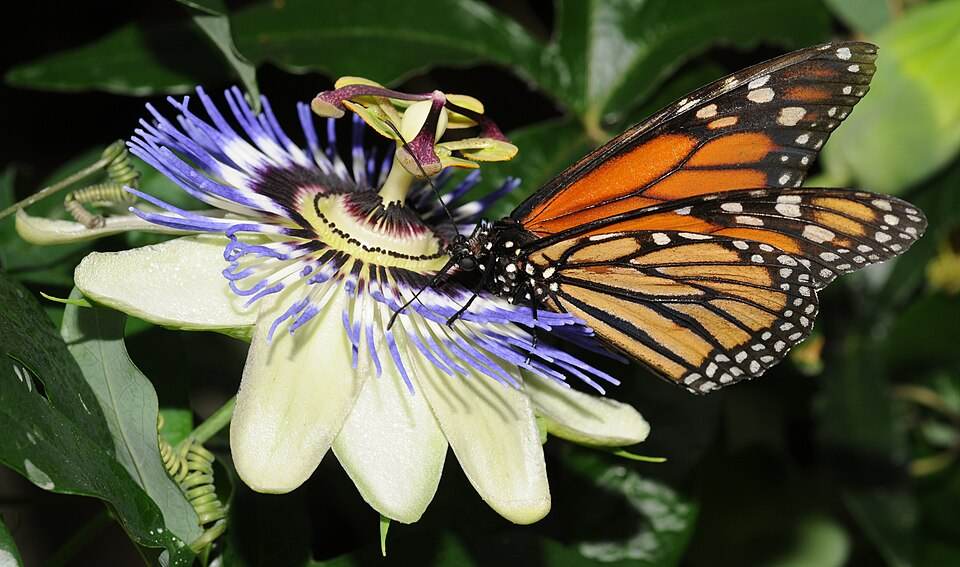
Monarch butterfly
Danaus plexippus
The star of the flyway. Up to four generations fly north each year, and a "super generation" flies up to 3,000 miles back to Mexico.
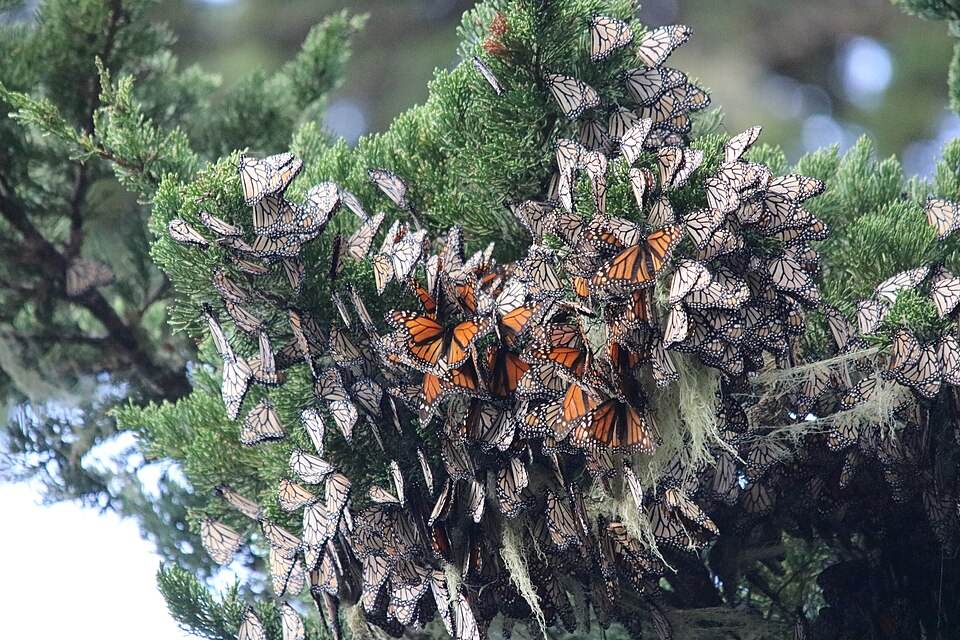
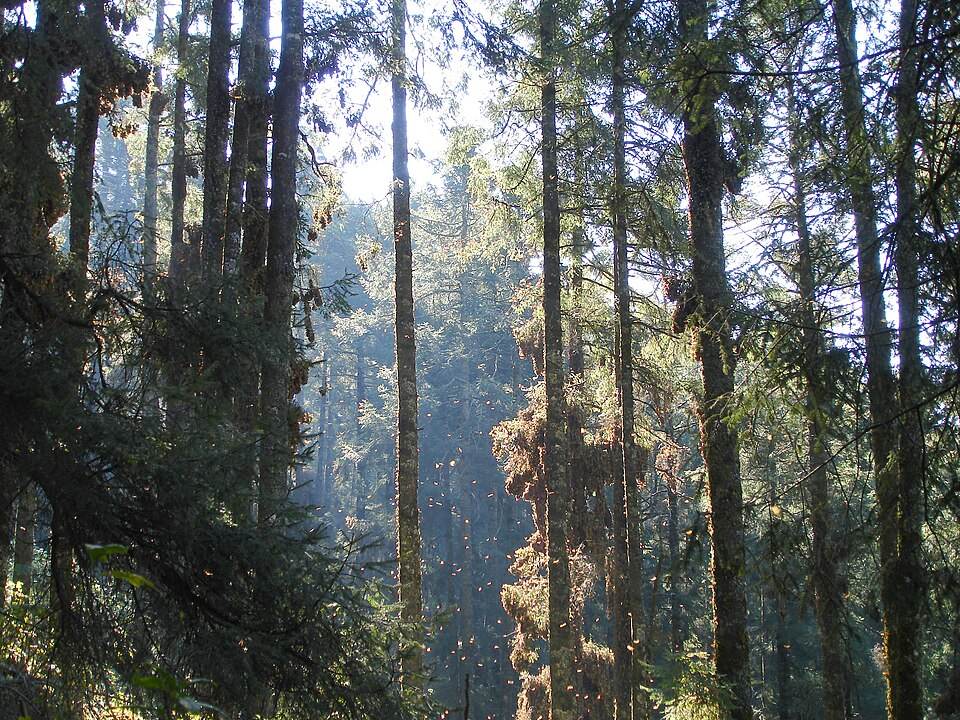
Monarch winter cluster
Danaus plexippus
Millions of monarchs pack together on the trees to stay warm through the winter.
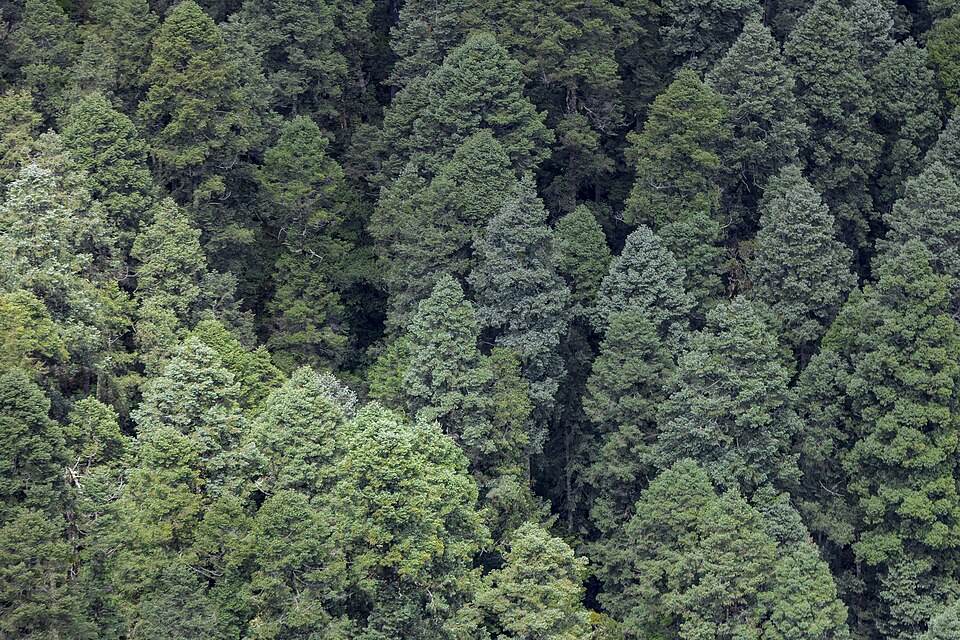
Oyamel fir
Abies religiosa
The sacred fir. Its dense canopy works like a blanket and umbrella that keeps the monarchs alive through cold winter nights.
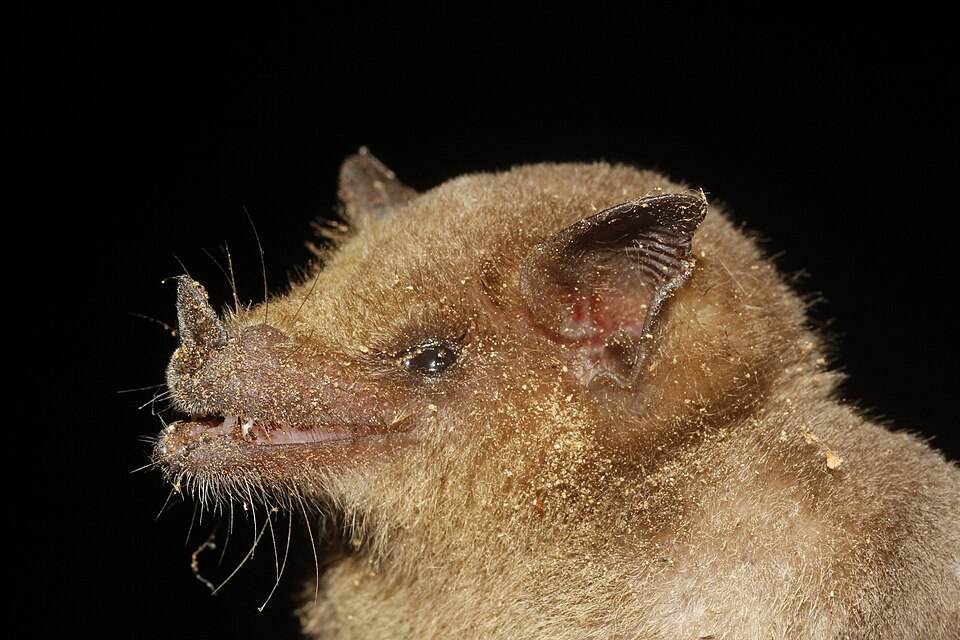
Lesser long-nosed bat
Leptonycteris yerbabuenae
A nectar-feeding bat that migrates along an agave and cactus "nectar corridor" and pollinates as it goes.
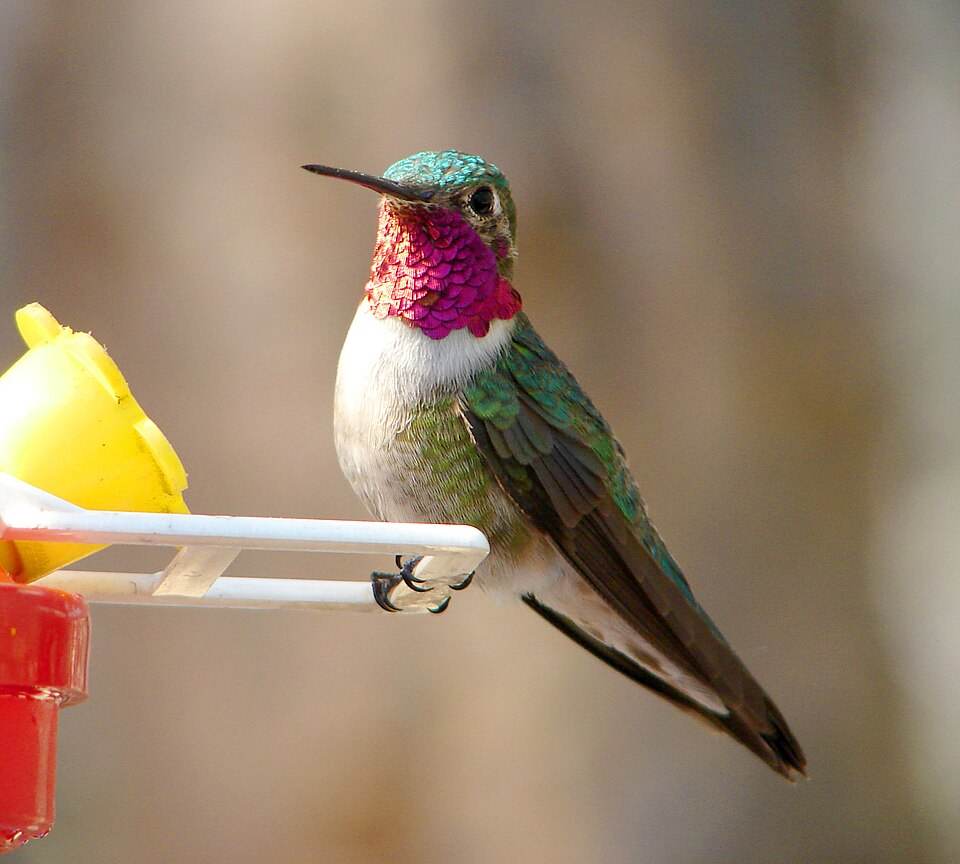
Broad-tailed hummingbird
Selasphorus platycercus
A mountain hummingbird that winters in central Mexico and pollinates wildflowers on its way north.
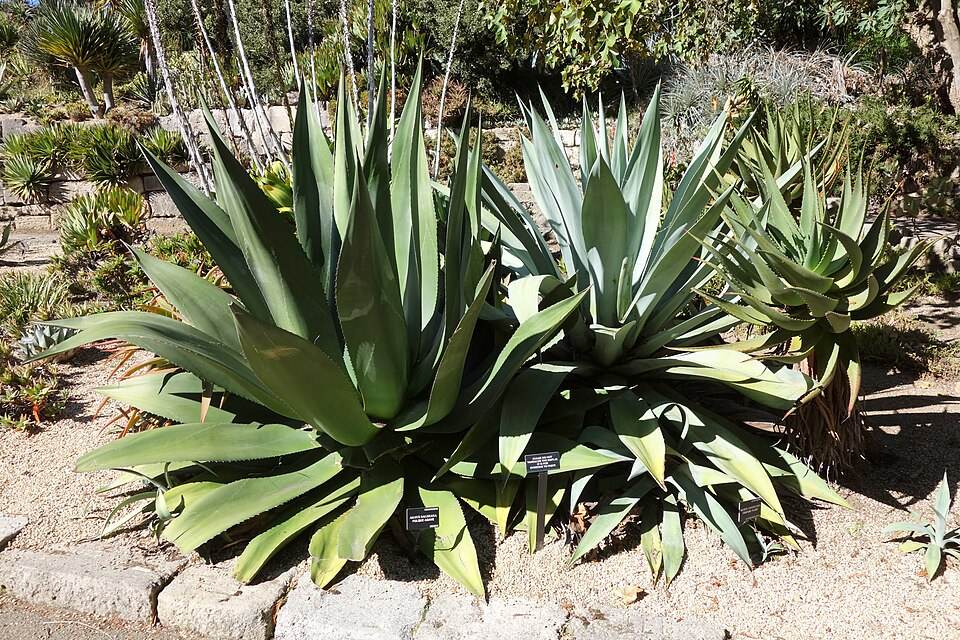
Maguey (agave)
Agave salmiana
A giant agave of the Mexican plateau whose tall flower stalks feed bats, birds and bees.
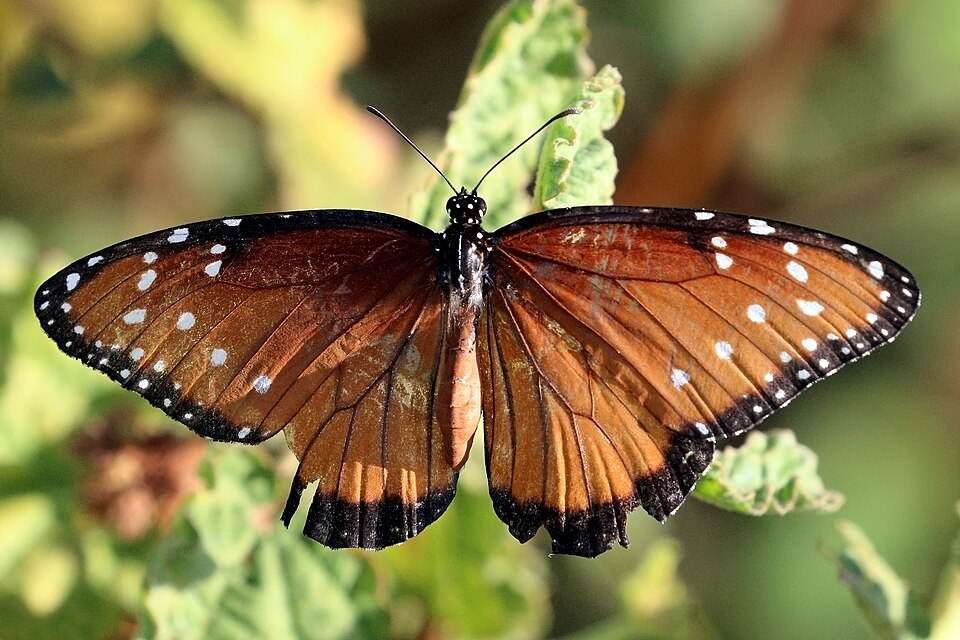
Queen butterfly
Danaus gilippus
The monarch's cousin, common from Mexico through South Texas and also raised on milkweed.
Stop 2 of 5 along the flyway
Texas · the funnel
Nearly every eastern monarch passes through Texas twice a year. Spring migrants lay their eggs on Texas milkweeds, and in fall the whole migration funnels south across the state toward Mexico.
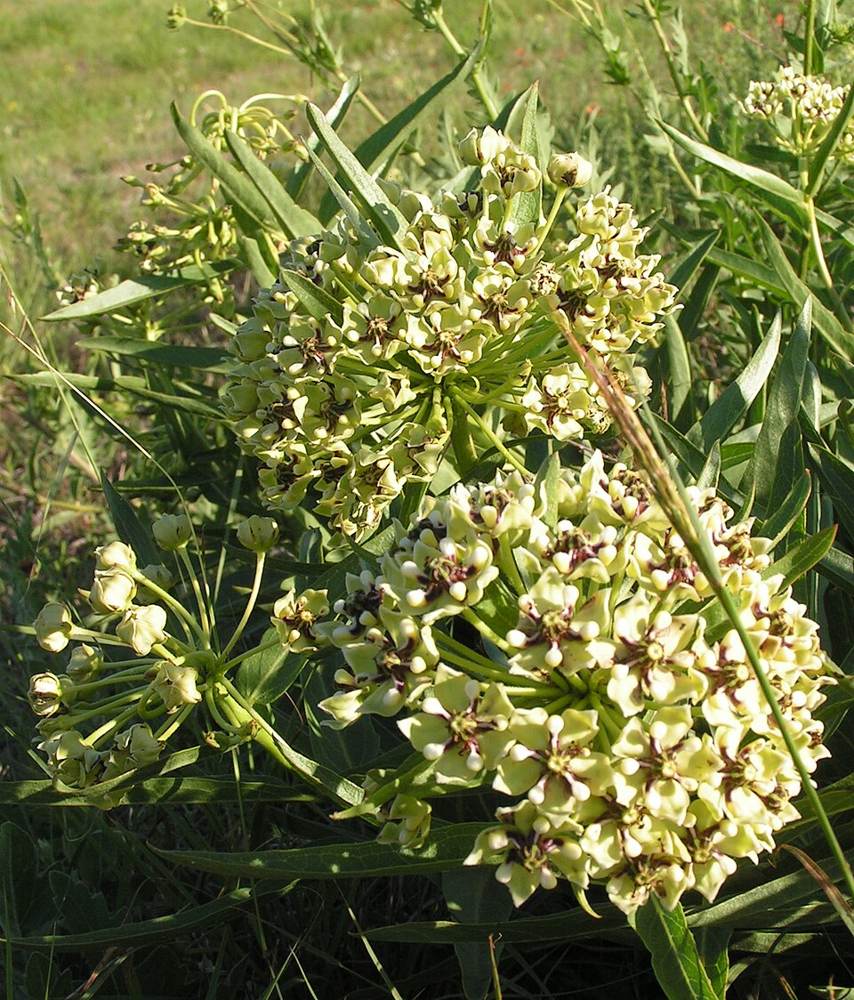
Antelope horn milkweed
Asclepias asperula
A key spring milkweed in Texas and Oklahoma, where returning monarchs lay their first eggs.
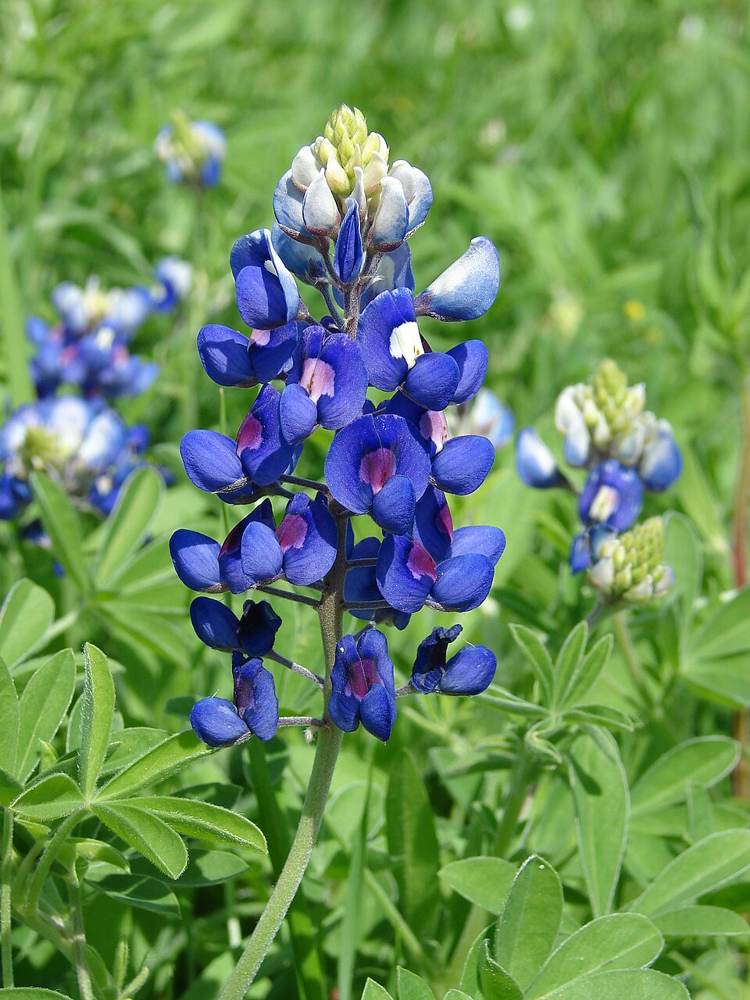
Texas bluebonnet
Lupinus texensis
The Texas state flower, an early spring nectar source for native bees.
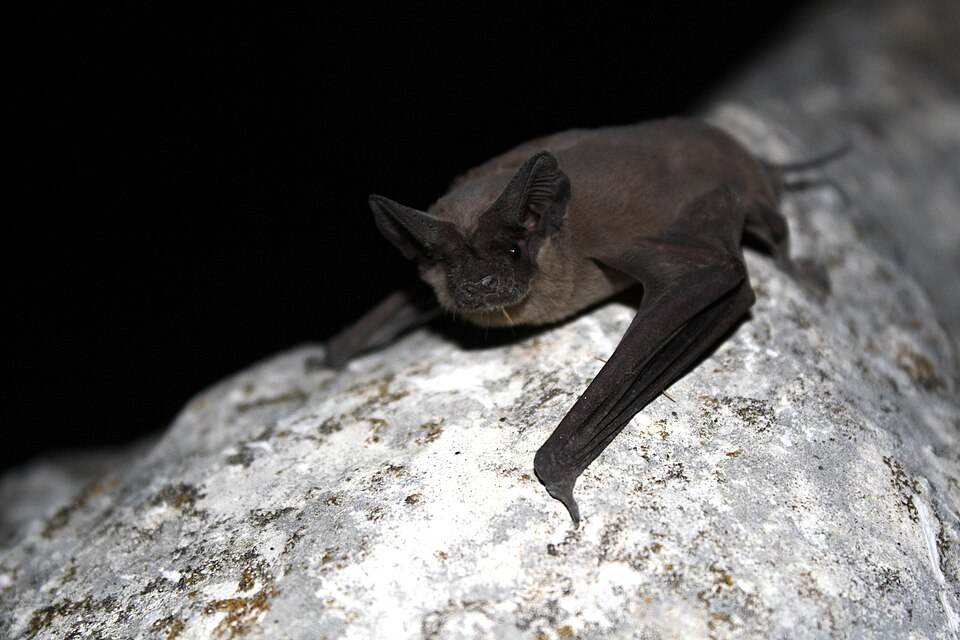
Mexican free-tailed bat
Tadarida brasiliensis
Huge Texas colonies eat tons of crop pests every night, a natural partner to any garden.
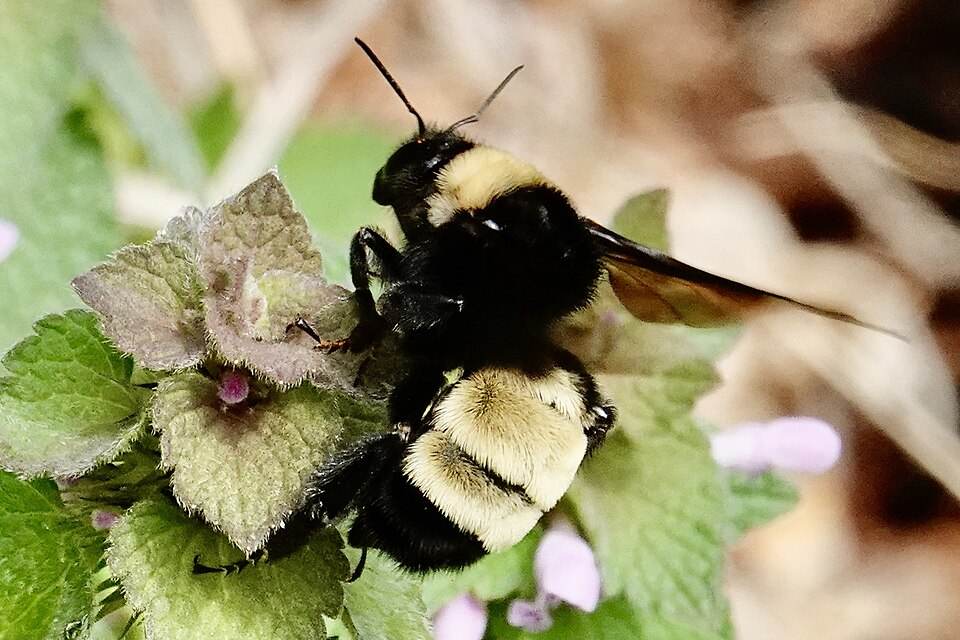
American bumble bee
Bombus pensylvanicus
Once common across the plains, now declining. A strong pollinator of native plants and crops.
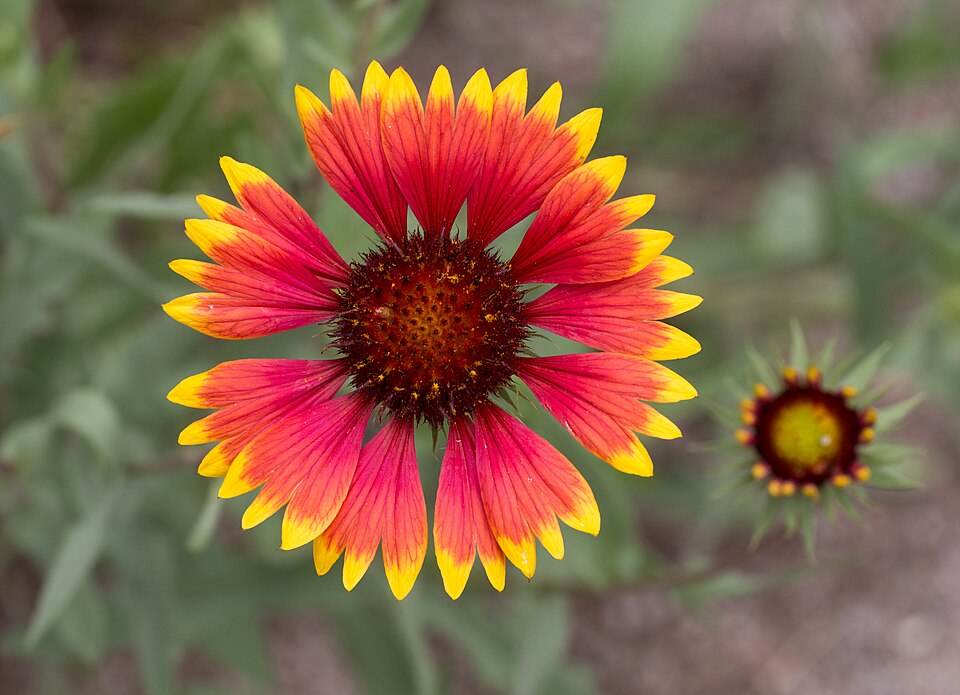
Indian blanket
Gaillardia pulchella
A tough, bright wildflower that blooms for months and feeds butterflies and bees.
Stop 3 of 5 along the flyway
Oklahoma & Kansas · the tallgrass
The southern plains still hold remnants of tallgrass prairie, with native milkweeds, blazing star and coneflowers that fuel the migration.
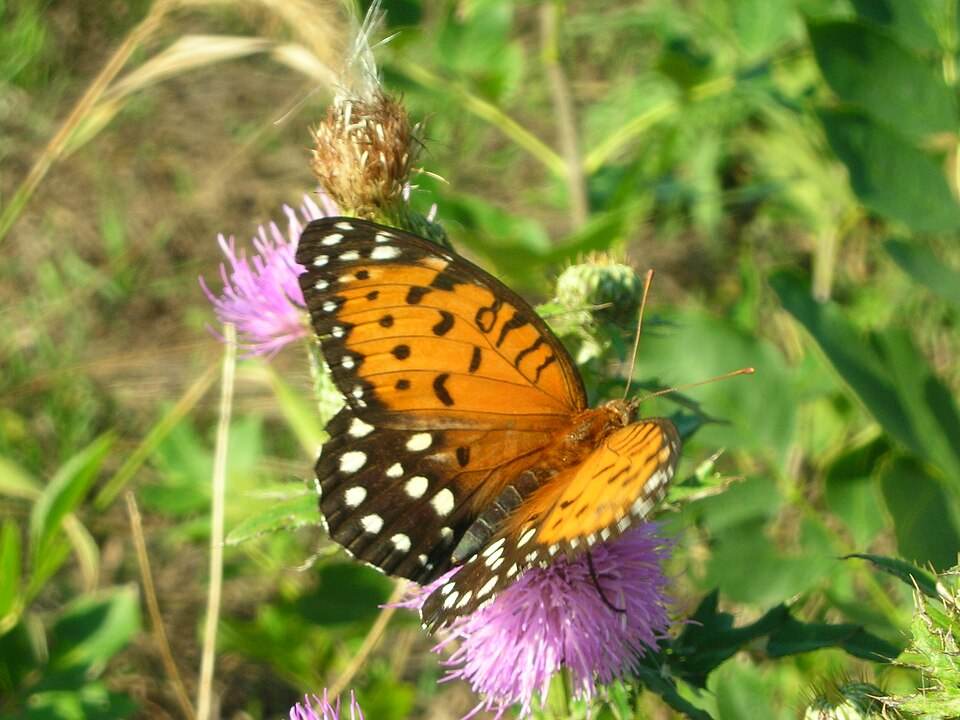
Regal fritillary
Speyeria idalia
A striking prairie butterfly that depends on remnant tallgrass prairie and violets.
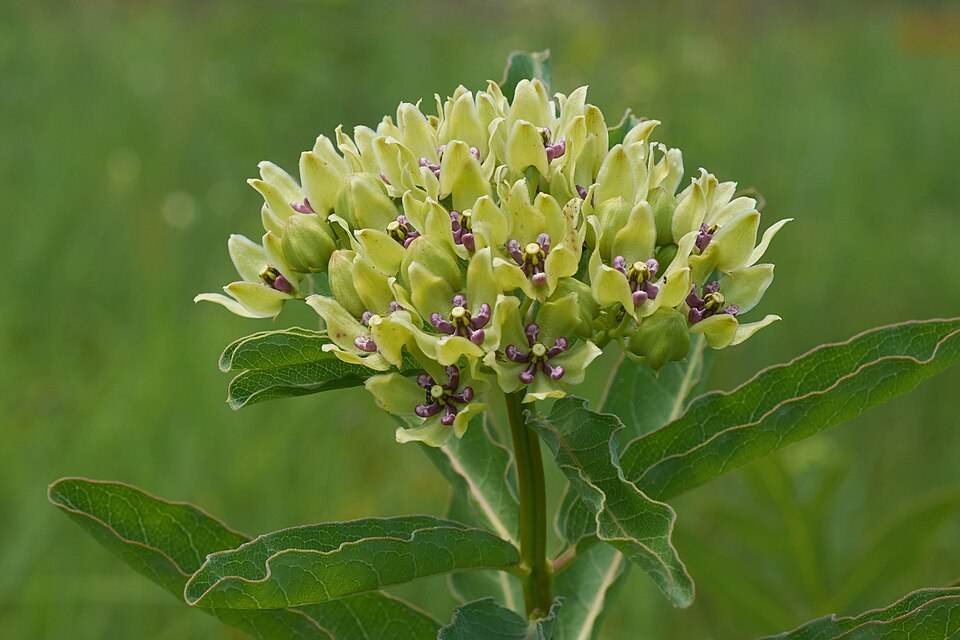
Green milkweed
Asclepias viridis
A prairie milkweed of Oklahoma, Kansas and Missouri and an important early-season host plant.
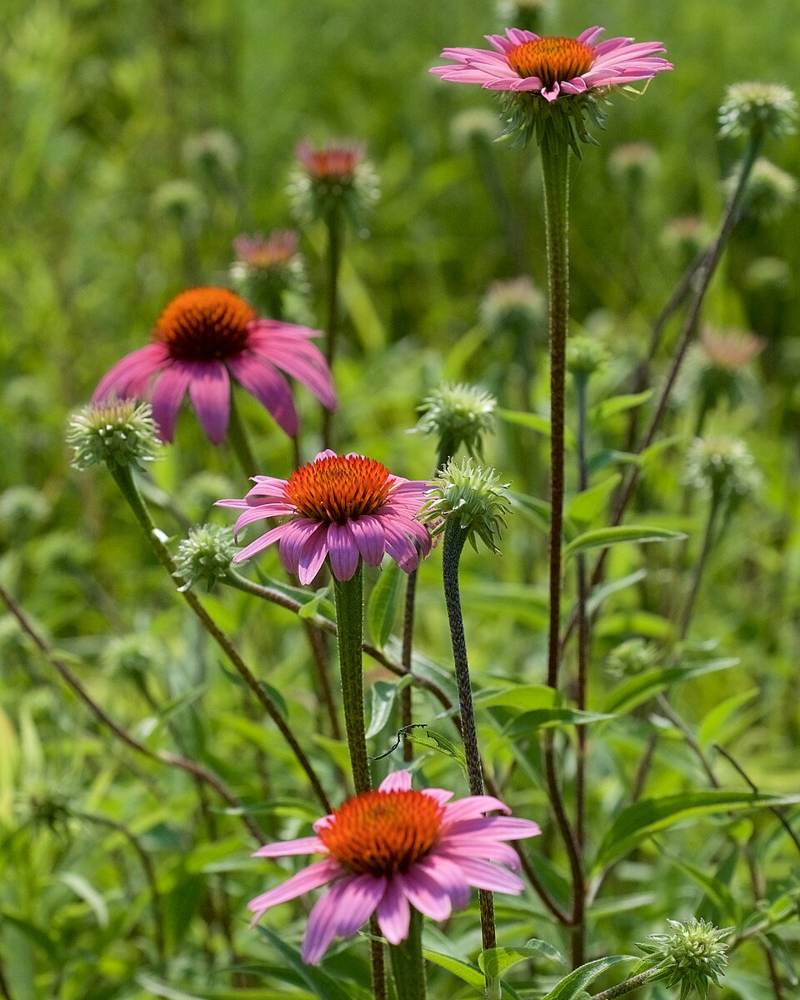
Purple coneflower
Echinacea purpurea
A prairie favorite for butterflies, bees and goldfinches, and easy to grow in any garden.
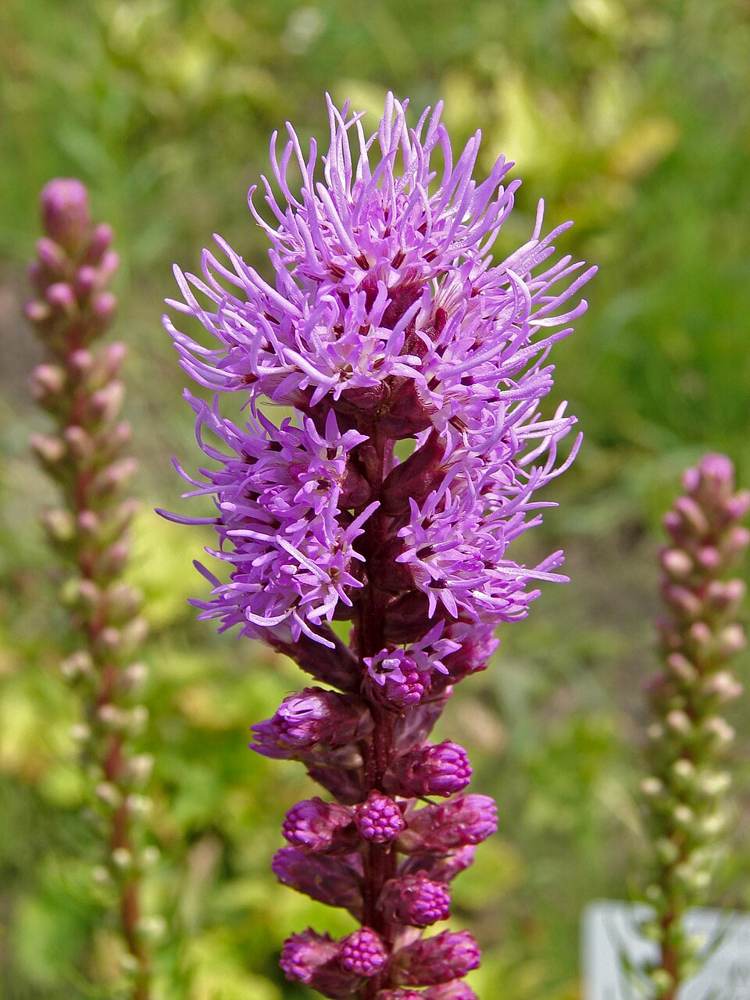
Blazing star
Liatris
Tall purple spikes that monarchs love to nectar on during fall migration.
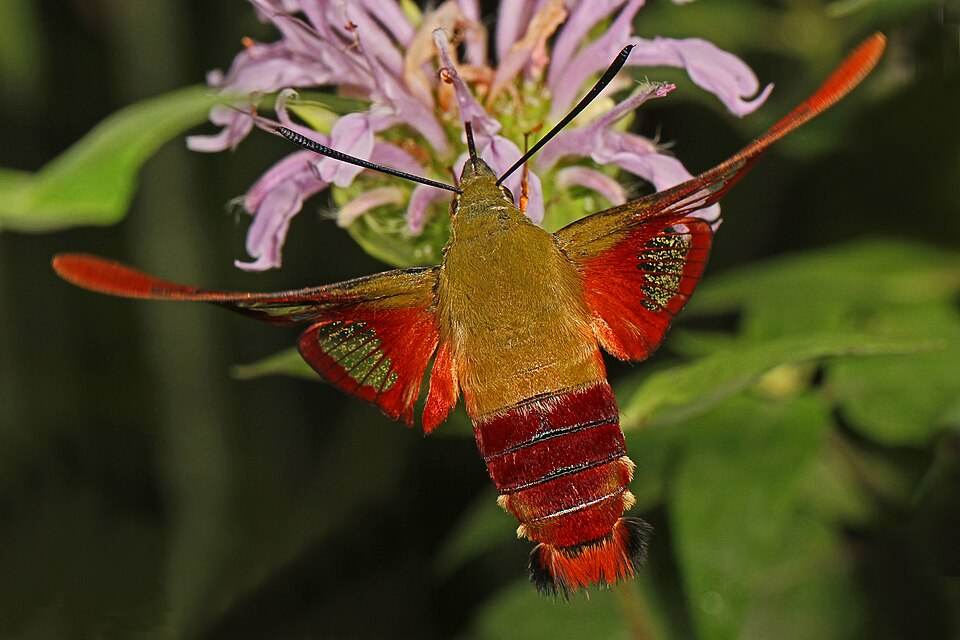
Hummingbird clearwing moth
Hemaris thysbe
A day-flying moth that hovers like a tiny hummingbird at garden flowers.
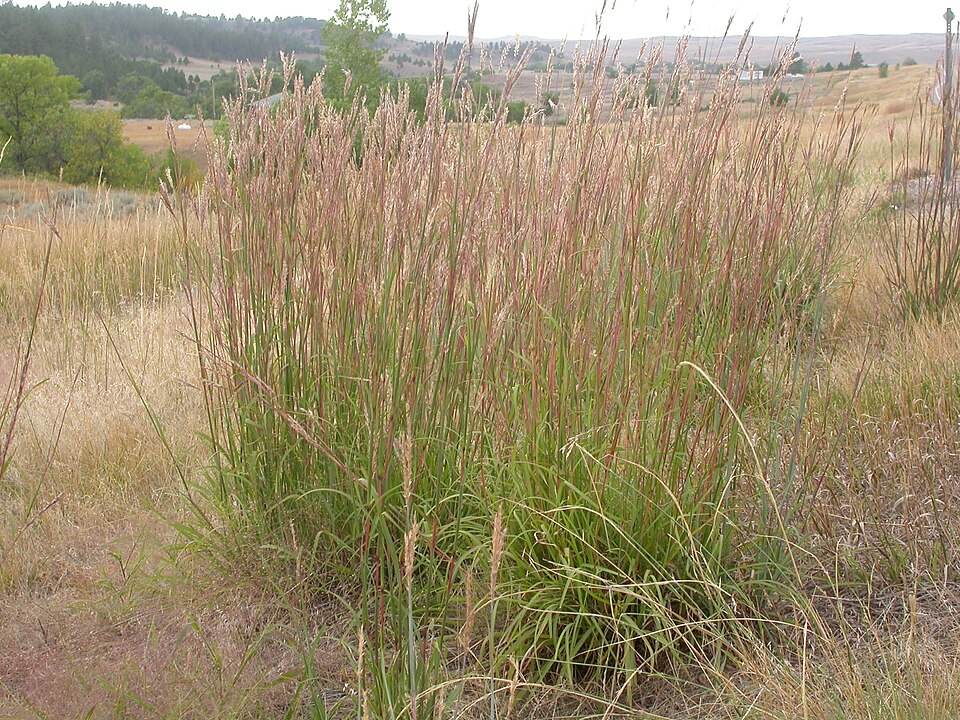
Big bluestem
Andropogon gerardii
The signature grass of the tallgrass prairie, giving shelter to the insects that live there.
Stop 4 of 5 along the flyway
Missouri & Iowa · the heartland
The heartland is monarch breeding country. Milkweed in gardens, roadsides, farms and cemeteries here produces many of the butterflies that fly back to Mexico.
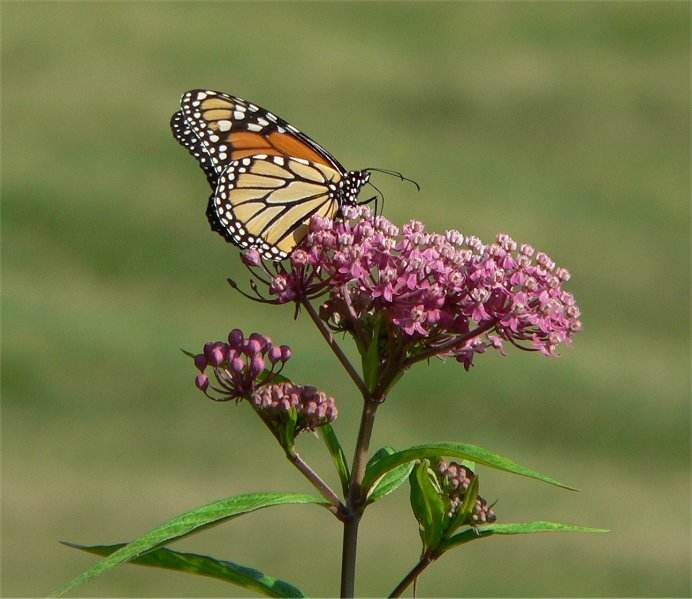
Asclepias incarnata
Species of flowering plant
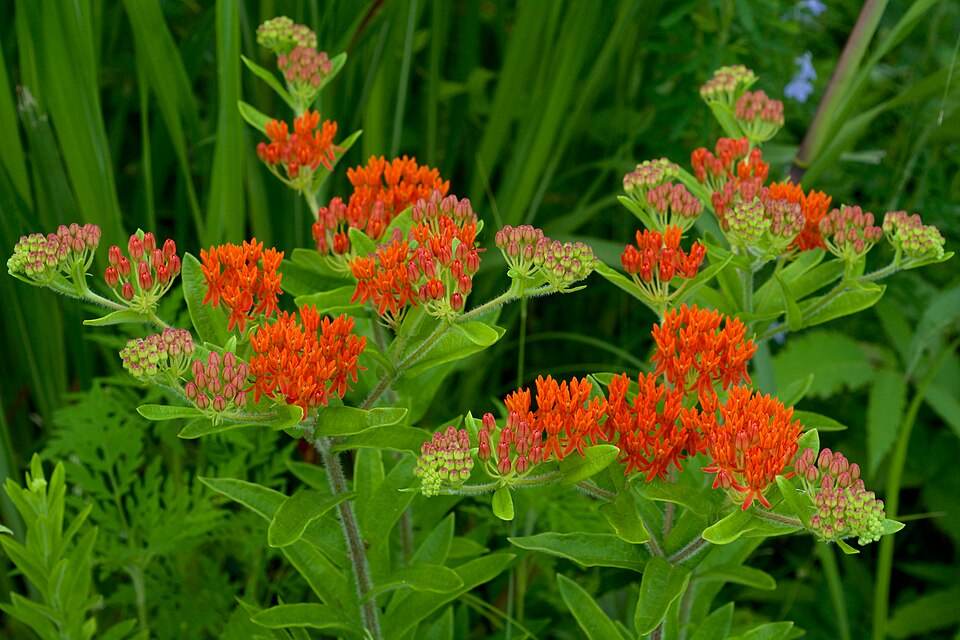
Butterfly milkweed
Asclepias tuberosa
Bright orange, drought-tough and a perfect milkweed for cemetery and garden plantings.
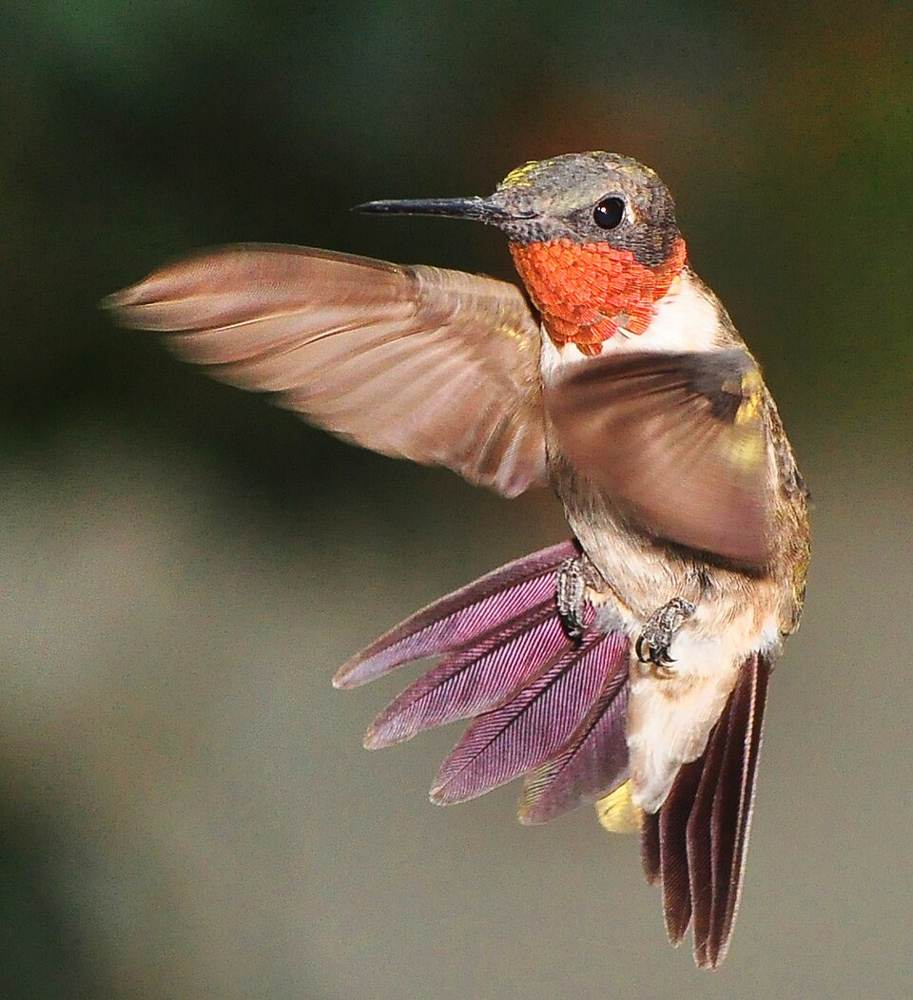
Ruby-throated hummingbird
Archilochus colubris
Crosses the Gulf of Mexico each spring and fall, and visits red and orange garden flowers.
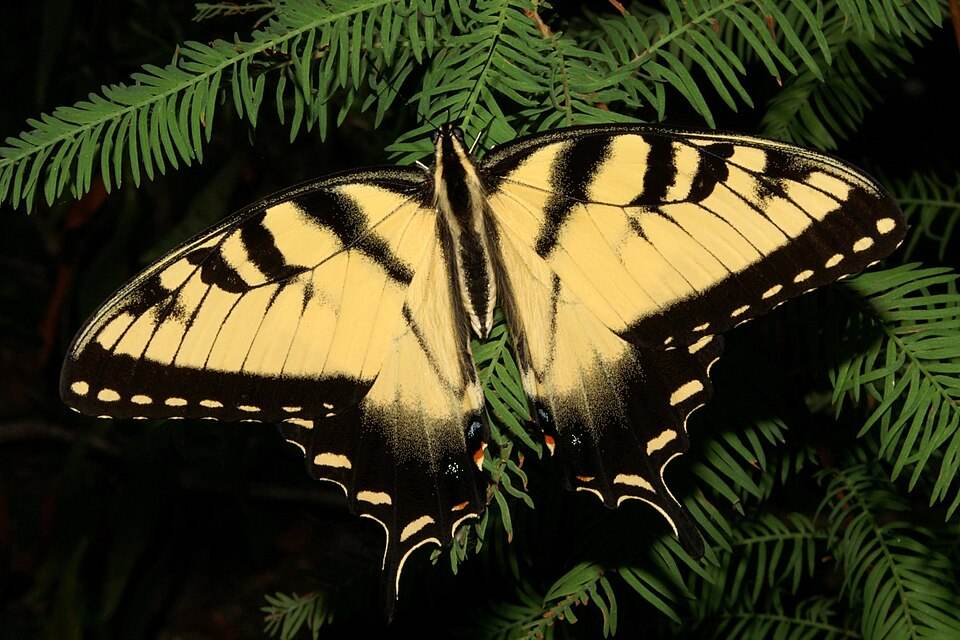
Eastern tiger swallowtail
Papilio glaucus
A big yellow swallowtail common in heartland gardens and woodland edges.
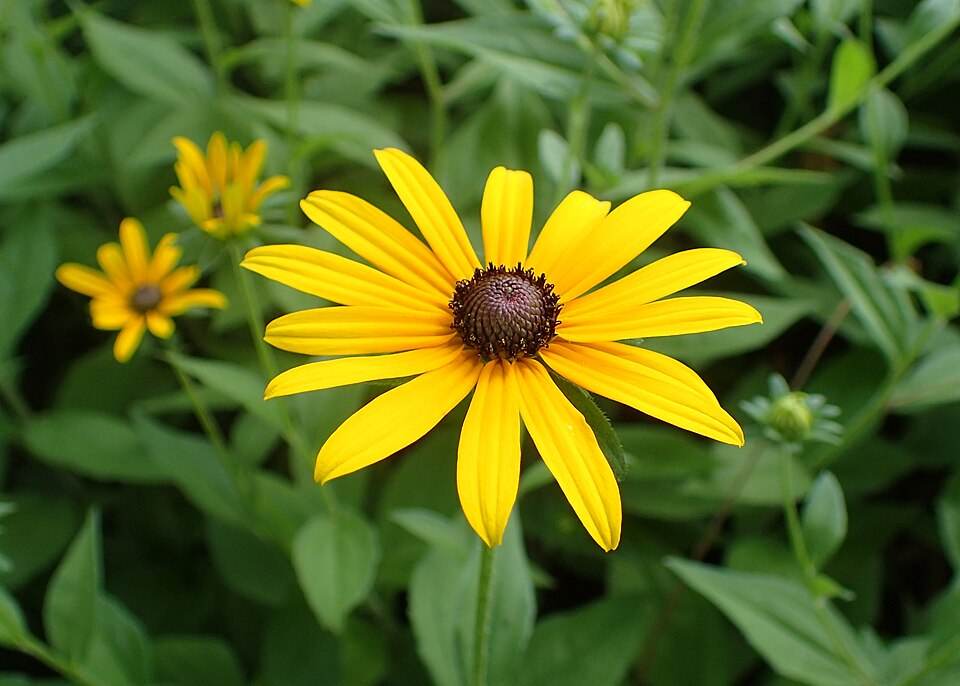
Black-eyed Susan
Rudbeckia hirta
A cheerful native wildflower that blooms all summer for bees and butterflies.
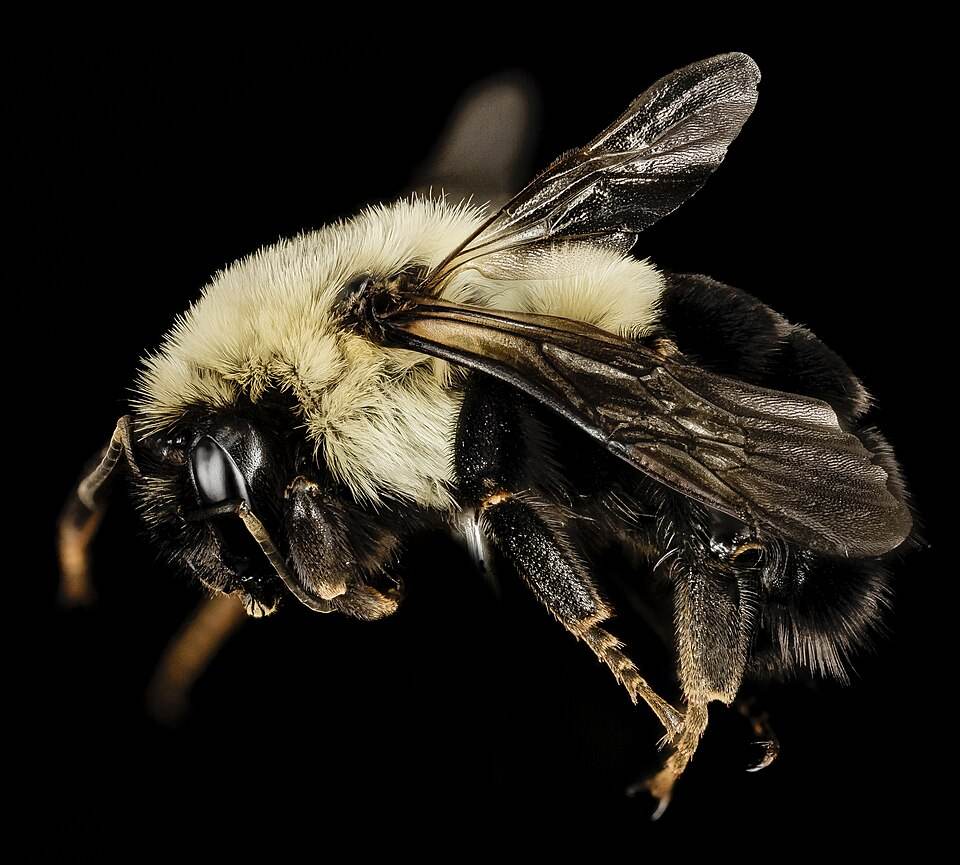
Common eastern bumble bee
Bombus impatiens
A hard-working bumble bee that pollinates gardens, tomatoes and native wildflowers.
Stop 5 of 5 along the flyway
Minnesota, the Dakotas & Canada · the north
At the northern end of the route, summer generations breed among prairie wildflowers. Rare prairie butterflies and bumble bees live here too.
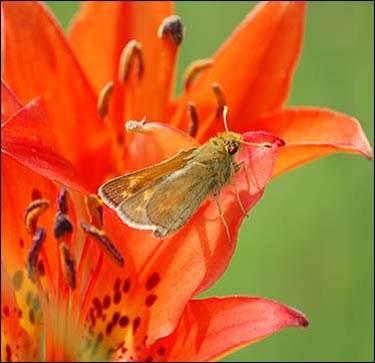
Dakota skipper
Hesperia dacotae
A threatened prairie butterfly of the Dakotas, Minnesota and Manitoba.
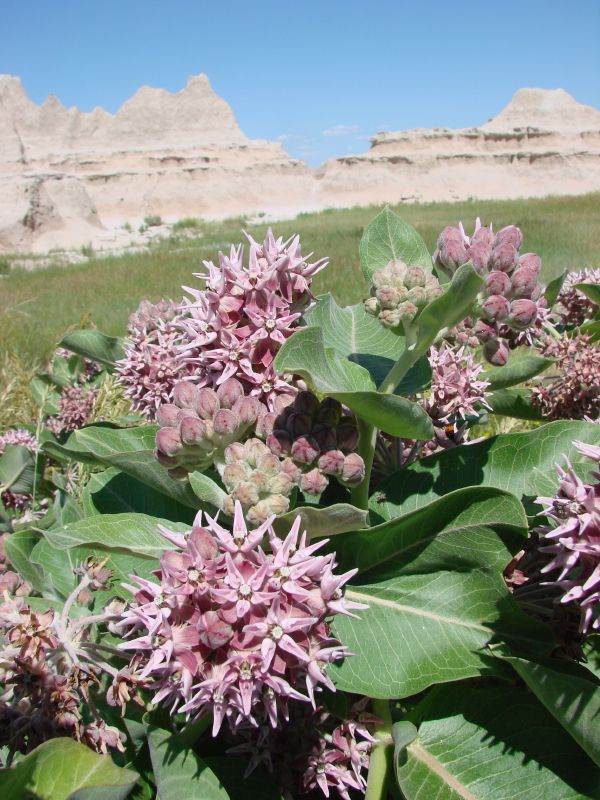
Showy milkweed
Asclepias speciosa
A big pink milkweed of the northern plains and prairies.
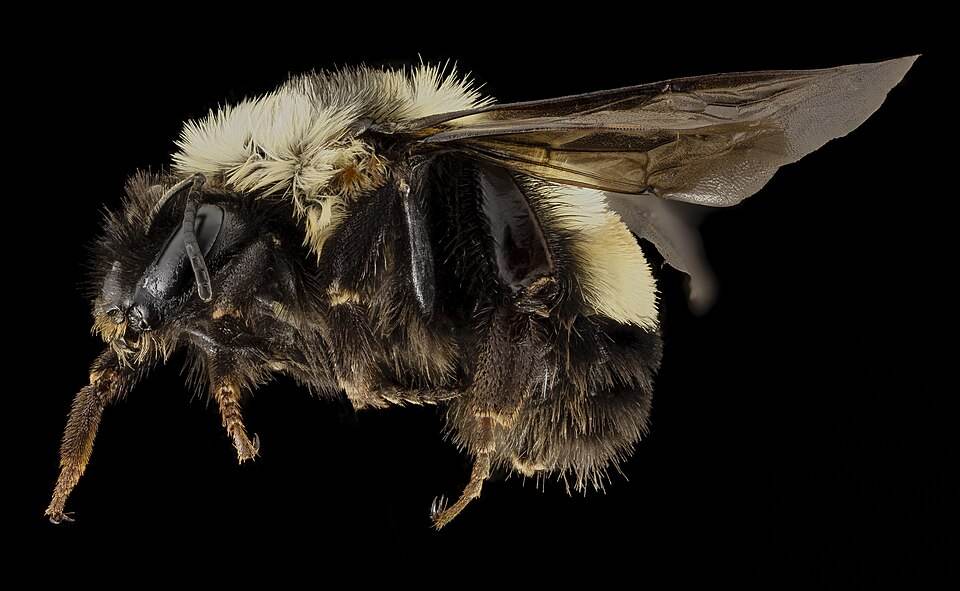
Rusty patched bumble bee
Bombus affinis
An endangered bumble bee, now found mostly in the Upper Midwest, including the Twin Cities.
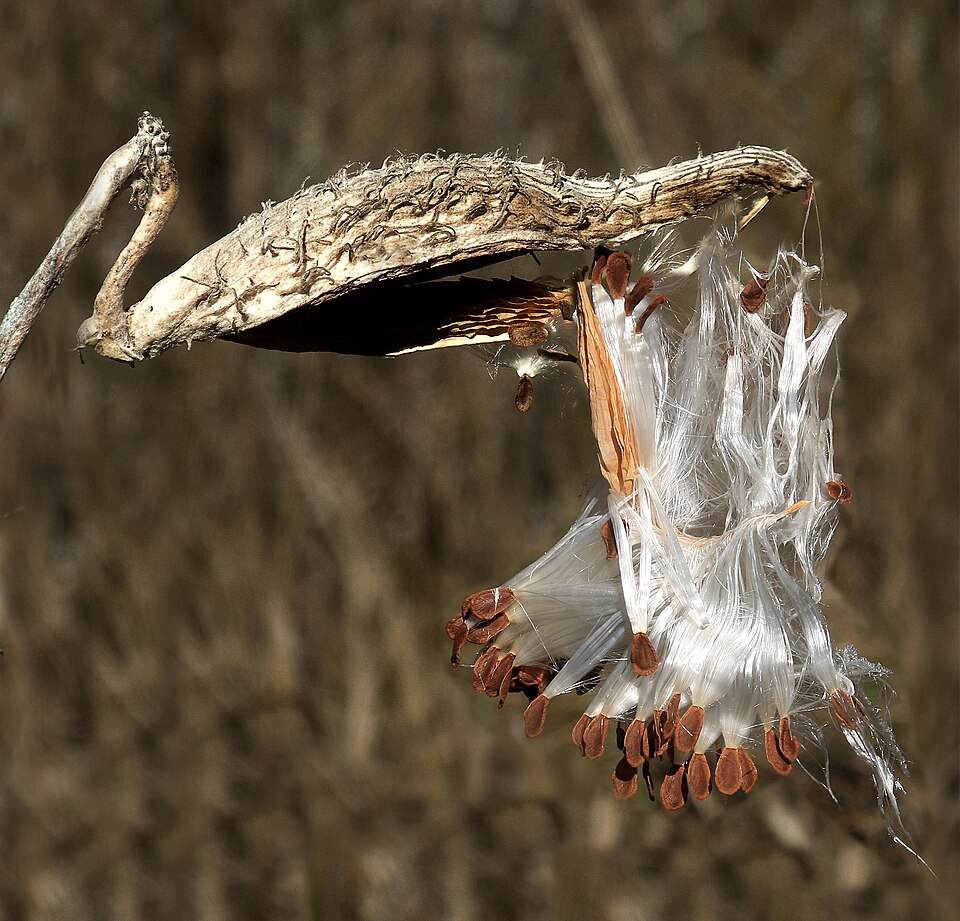
Common milkweed
Asclepias syriaca
The main monarch host plant across the north, and a must-have in every Peace Flyway garden.
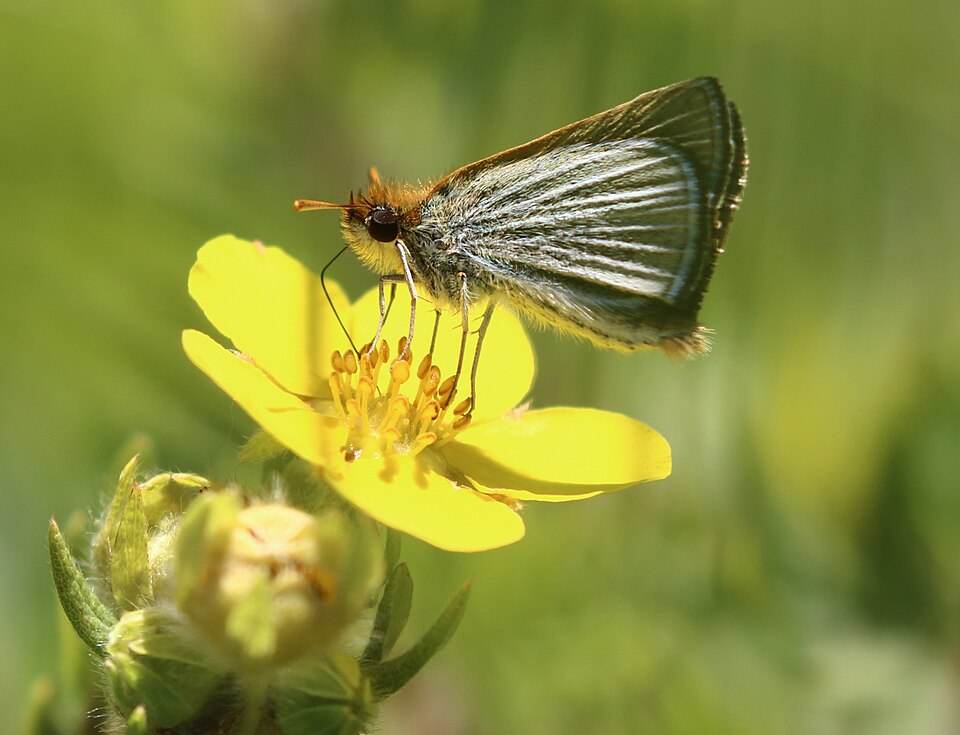
Poweshiek skipperling
Oarisma poweshiek
One of North America's rarest butterflies, a tiny prairie skipper being saved by captive rearing.
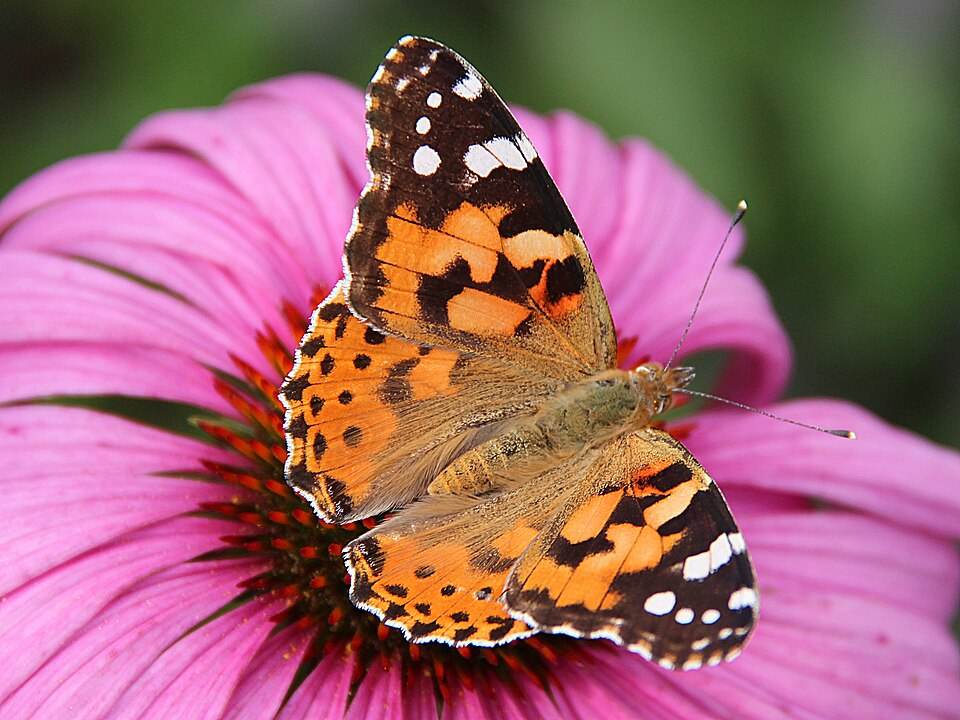
Painted lady
Vanessa cardui
The world's most widespread butterfly, which also migrates between Mexico and Canada.
Plant the milkweeds and wildflowers native to your stretch of the route. Ecoregional plant lists: Pollinator Partnership · Xerces milkweed guide. Photo credits
Along the flyway