About The Peace Flyway
The Peace Flyway brings together three things that belong together: pollinators, places of memory and peace among neighbors.
The idea
Follow the monarchs, plant peace
Eastern monarch butterflies spend the winter in the mountain forests of central Mexico. In spring they fly north, breeding along the way, and over about four generations they reach the northern United States and Canada. In fall a single "super generation" makes the whole trip back south.
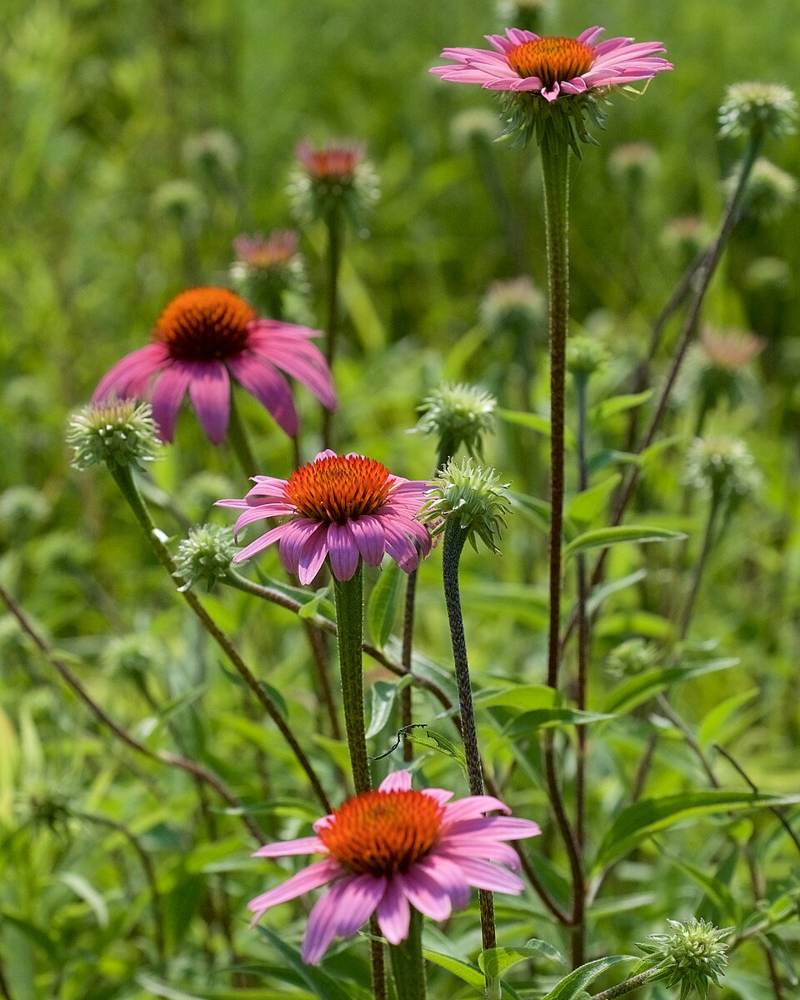
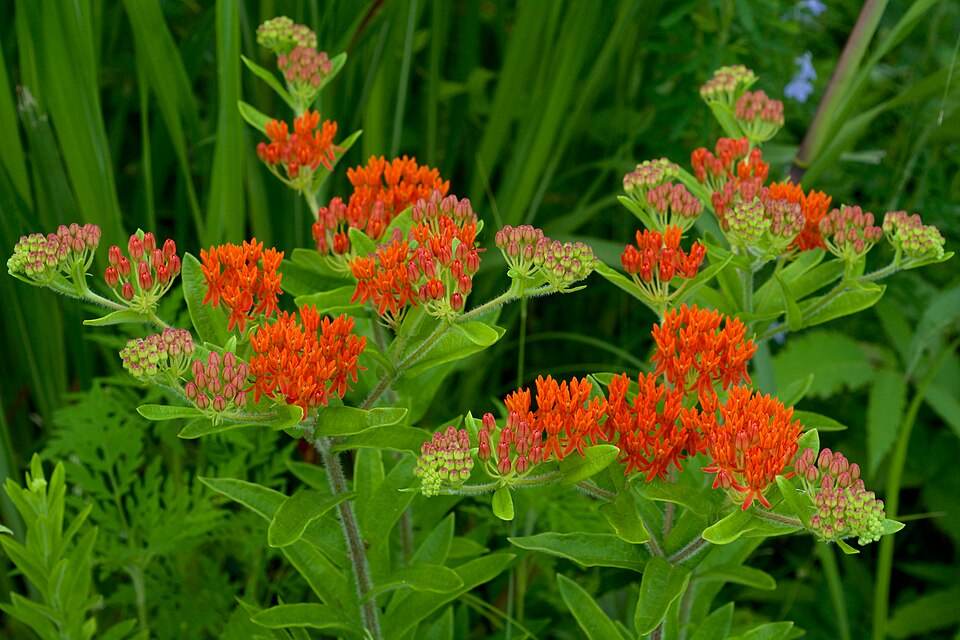
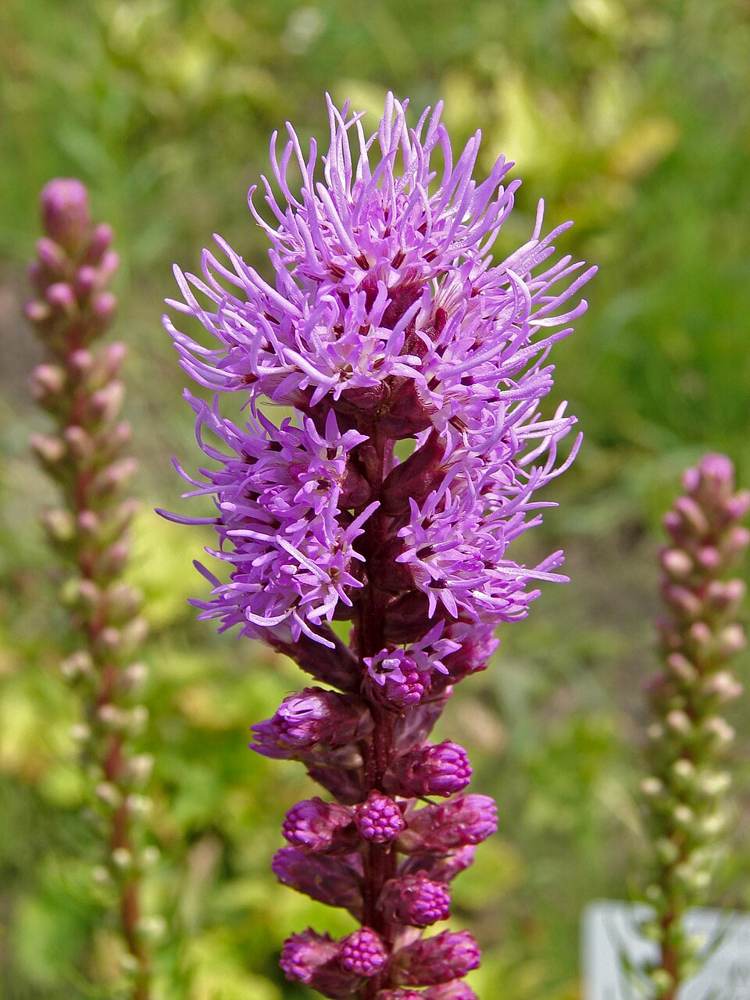
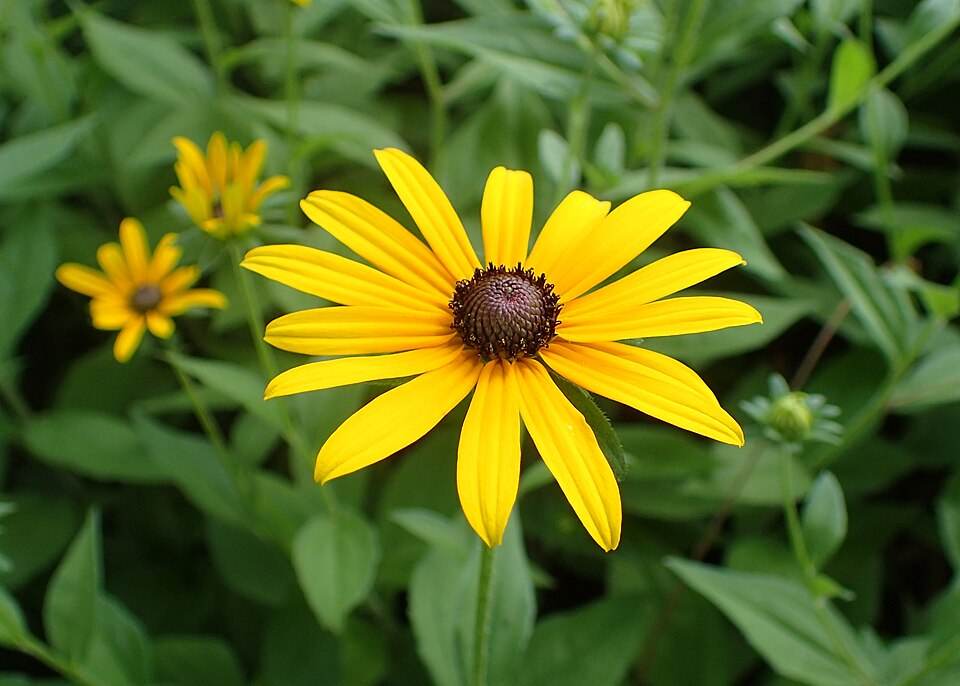
Much of that journey follows the center of the continent, right along I‑35. The Peace Flyway marks that route with gardens: historic cemeteries, church grounds and public gardens that local clubs and partners adopt and plant with milkweed and native flowers.
Each stop also becomes a place of peace, with a Peace Pole, a passport stamp and a short lesson about local history, pollinators and getting along with our neighbors, across the street and across borders.
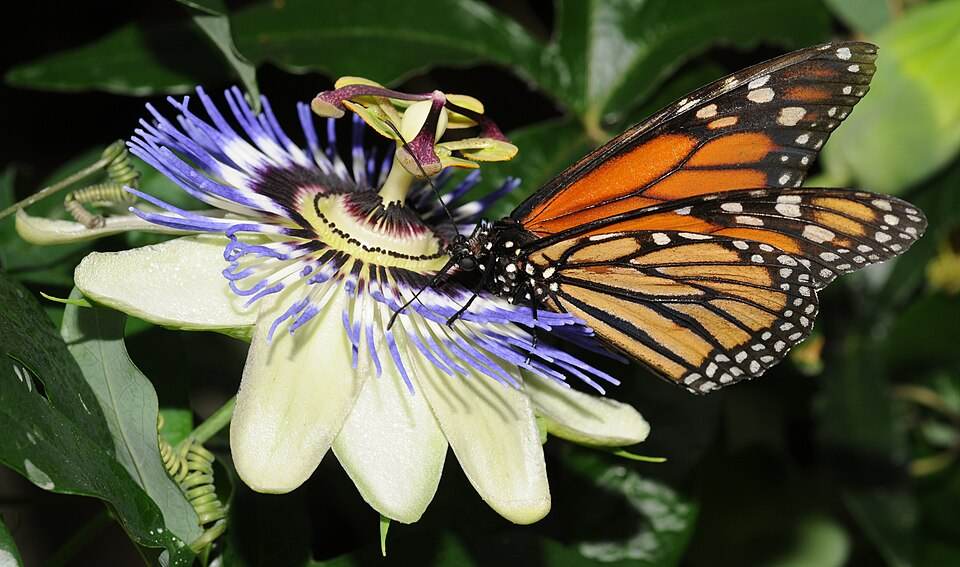
Why peace and pollinators?
- Pollinators don't need passports. The monarch's trip only works if Mexico, the U.S. and Canada all protect its habitat.
- Peace starts with food. About one in three bites of food depends on pollinators, and hunger fuels conflict.
- Positive peace. the Institute for Economics and Peace's Pillars of Positive Peace include fair sharing of resources and good relations with neighbors. Gardens build both.
- Memory and renewal. Cemeteries honor generations past, and monarchs pass the journey from generation to generation.
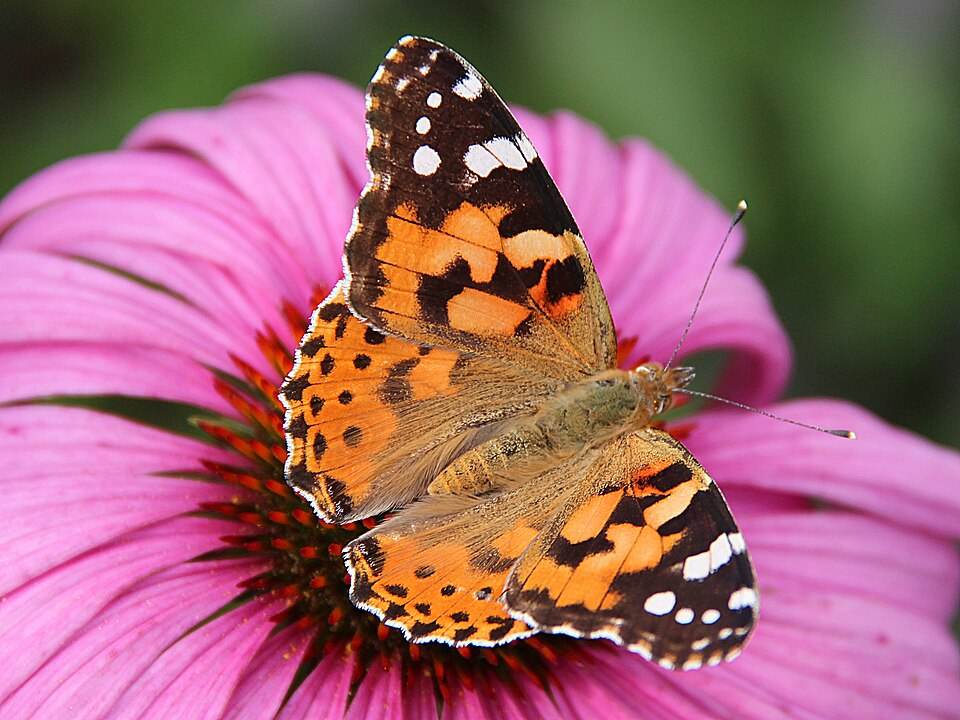
Habitat
Milkweed and native nectar plants at every stop, giving monarchs and other pollinators a place to rest and refuel.
History
Historic cemeteries restored and cared for, so they become outdoor classrooms where students learn their own local history.
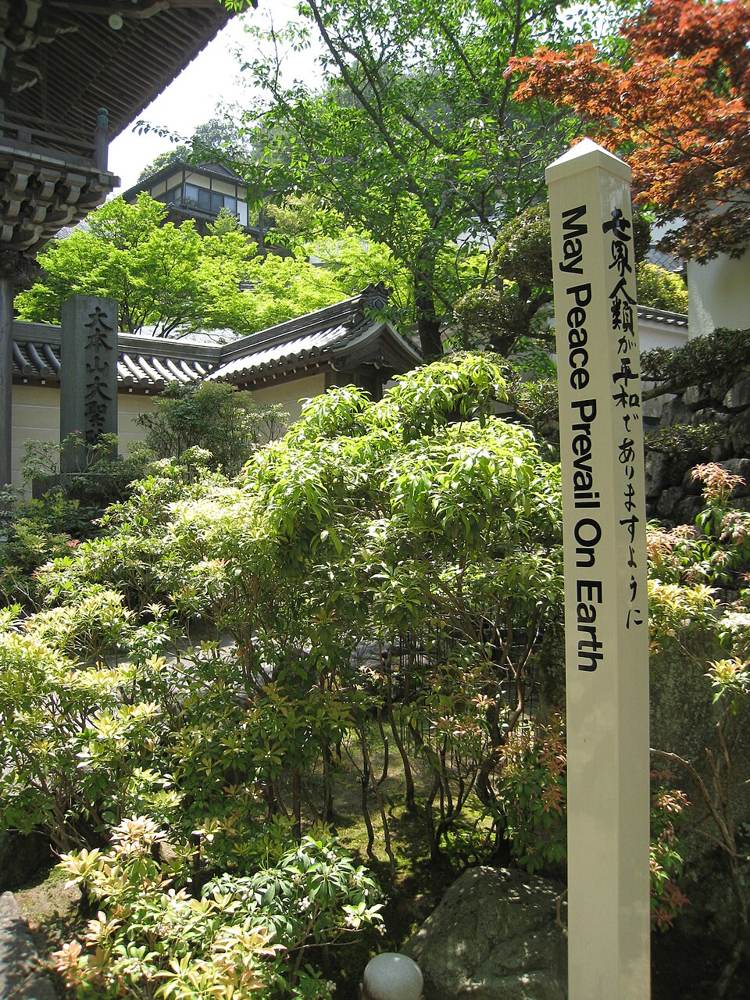
Peace
Peace Poles, sister gardens between clubs in different countries, and yearly planting days that bring neighbors together.
Along the flyway